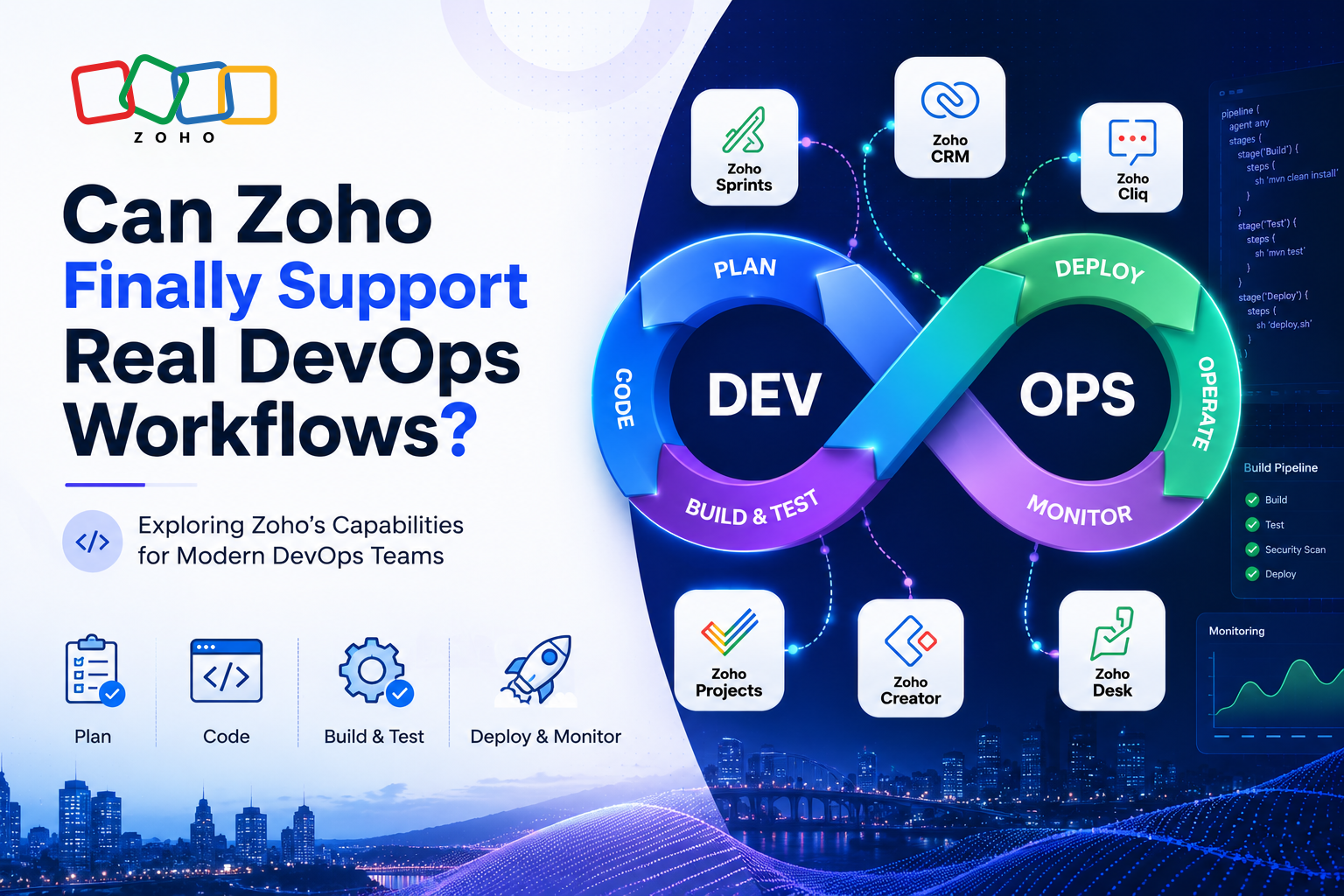
For years, Zoho has evolved far beyond simple business software.
Today, companies are building:
…all inside Zoho.
But despite this massive evolution, one uncomfortable problem continues to haunt serious Zoho developers:
CI/CD still feels painfully immature.
And as Zoho implementations become larger, more customized, and more mission-critical, this problem is no longer just a developer inconvenience. It’s becoming an operational risk.
Most Zoho discussions focus on:
Very few people talk about software lifecycle management.
But the moment a Zoho environment grows beyond a small setup, teams start facing problems traditional engineering solved years ago:
In many organizations, Zoho deployments still operate on something dangerously close to:
The complexity of Zoho ecosystems has exploded.
Modern implementations now include:
These are no longer lightweight automations.
They are distributed operational systems.
And distributed systems without mature deployment pipelines eventually become fragile.
Very fragile.
In modern software development, CI/CD pipelines exist for a reason.
They help teams:
Typical engineering workflows include:
Meanwhile, many Zoho teams still manage critical business logic through:
That gap is becoming impossible to ignore.
The absence of mature CI/CD creates a dangerous kind of technical debt.
Not visible debt.
Operational debt.
Over time, companies accumulate:
And eventually, nobody fully understands how the system actually works anymore.
At that stage, even minor updates become risky.
One small workflow edit can unexpectedly:
This is increasingly common in large Zoho deployments.
To be fair, Zoho has made progress.
Recent improvements across:
show that Zoho understands the importance of developer workflows.
But compared to mature engineering ecosystems, there are still major limitations.
Especially around:
And as AI-generated automation grows, these gaps may become even more dangerous.

This is the part many people are missing.
AI tools now allow users to generate:
much faster than before.
But speed without governance creates chaos.
Because AI-generated code often introduces:
Without strong CI/CD practices, organizations risk creating massive automation ecosystems nobody can properly maintain.
The productivity gains are real.
But so is the long-term instability.
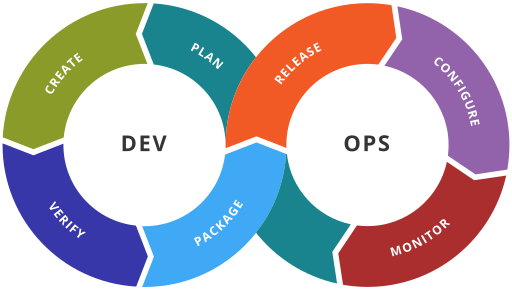
A mature Zoho DevOps ecosystem would include:
Every workflow, function, Blueprint, and configuration tracked through Git-like systems.
Reliable promotion between:
without manual recreation.
Validation for:
before deployment.
Safe rollback of failed deployments without operational disruption.
Clear visibility into:
This is especially important in enterprise-scale environments.
Ironically, developer infrastructure may matter more than AI features long term.
Because businesses can only scale automation safely if the underlying operational systems remain stable.
And stability depends heavily on:
Not just faster automation creation.
The companies that master this will build scalable operational ecosystems.
The companies that ignore it may eventually drown in automation chaos.
There’s a deeper transformation underway.
Zoho is no longer just low-code software.
It’s increasingly becoming:
And once platforms reach that level of importance, developer tooling becomes critical.
Because eventually:
every successful low-code platform starts facing the same reality as traditional software engineering.
Complexity always catches up.
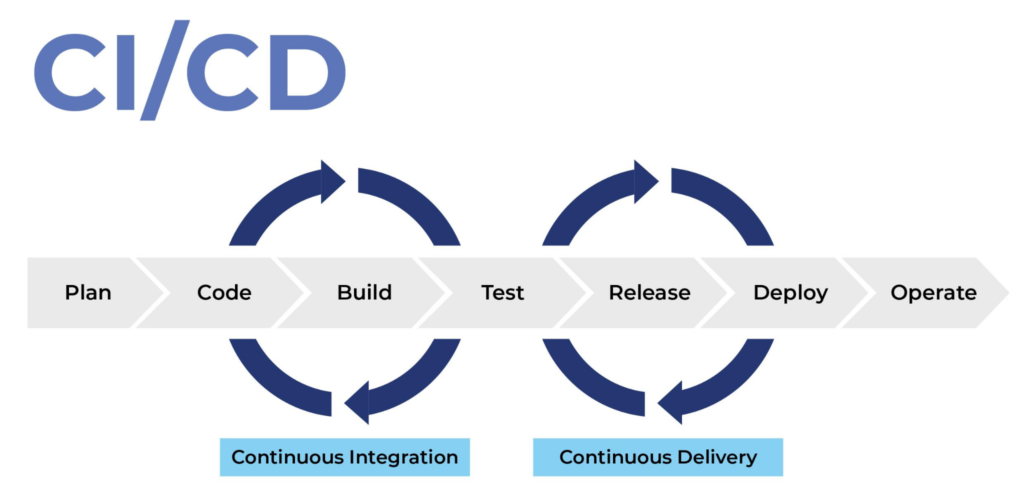
Technically?
Partially, yes.
Practically?
Not fully yet.
Some organizations are already building semi-mature workflows using:
But most Zoho ecosystems still lack the seamless DevOps maturity developers expect from modern engineering platforms.
The encouraging part is that the direction is improving.
The uncomfortable part is that complexity is growing even faster.
The future of Zoho development may not depend on how quickly businesses can create automations.
It may depend on how safely they can manage them at scale.
Because the real challenge is no longer:
“Can we automate this?”
The real challenge is: