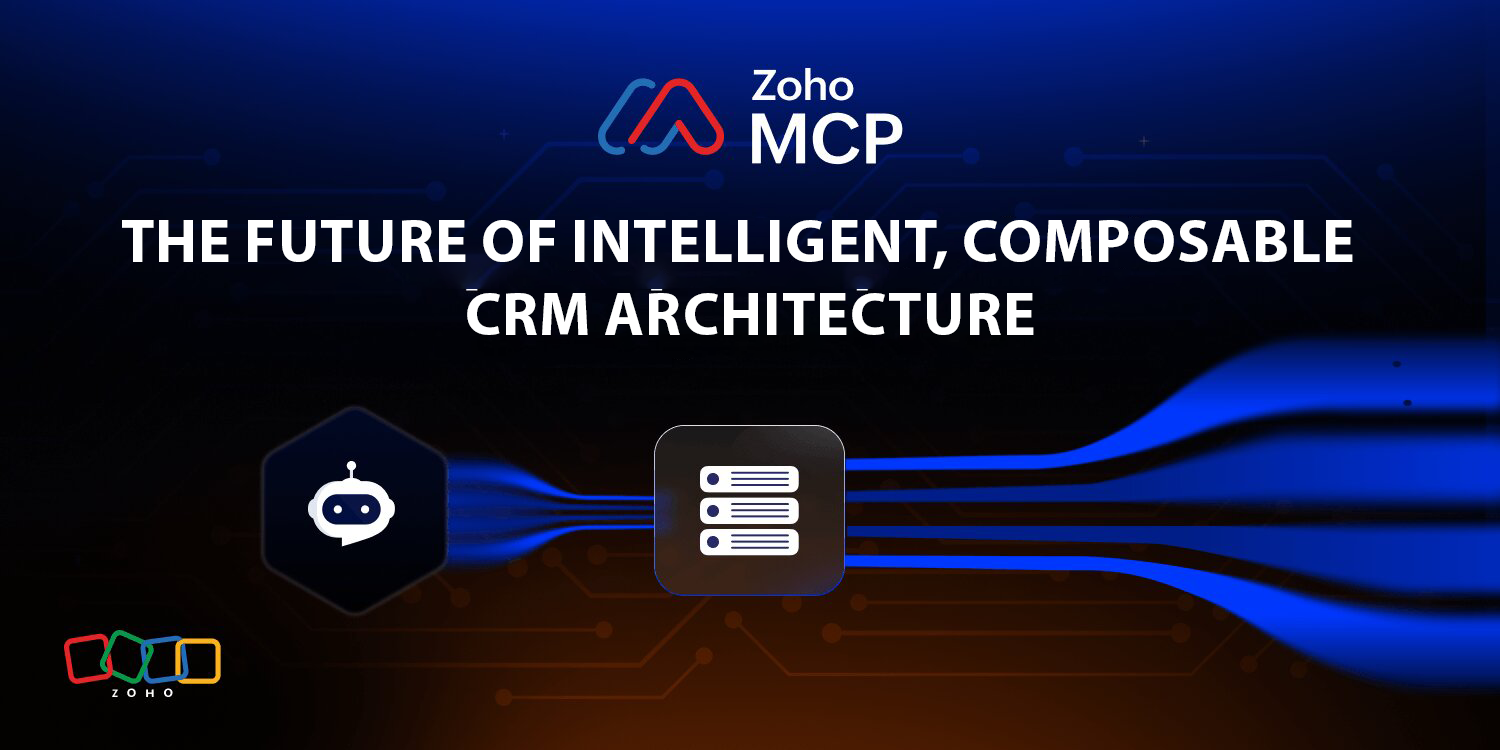
In today’s hyper-connected business environment, traditional CRM implementations are no longer enough. Organizations demand systems that are not just customizable but intelligent, adaptive, and composable by design. This is exactly where Zoho MCP (Multi-Component Platform) emerges as a game-changer within the Zoho Corporation ecosystem.
This blog breaks down Zoho MCP from a technical lens what it is, how it works, and why it’s redefining how modern CRM architectures are built.
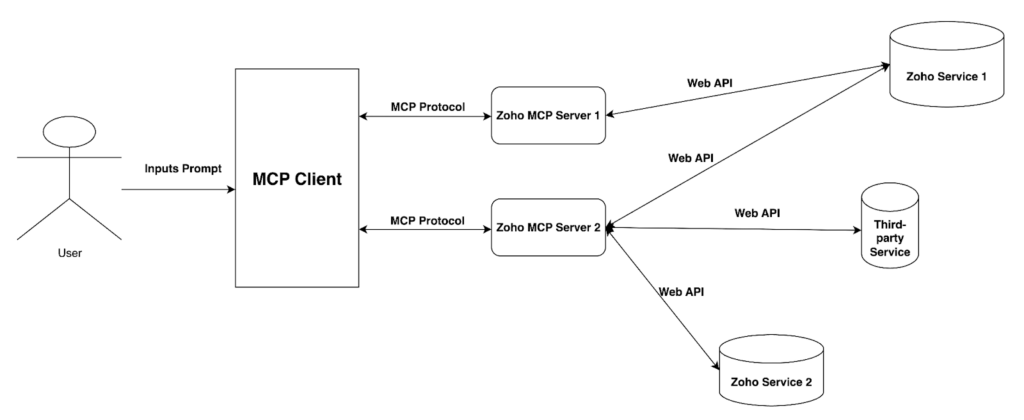
Zoho MCP (Multi-Component Platform) is an architectural approach that enables businesses to build modular, scalable, and loosely coupled systems using multiple Zoho components working in sync.
Instead of relying on a monolithic CRM setup, MCP allows you to:
At its core, MCP transforms Zoho from a suite of applications into a composable enterprise platform.
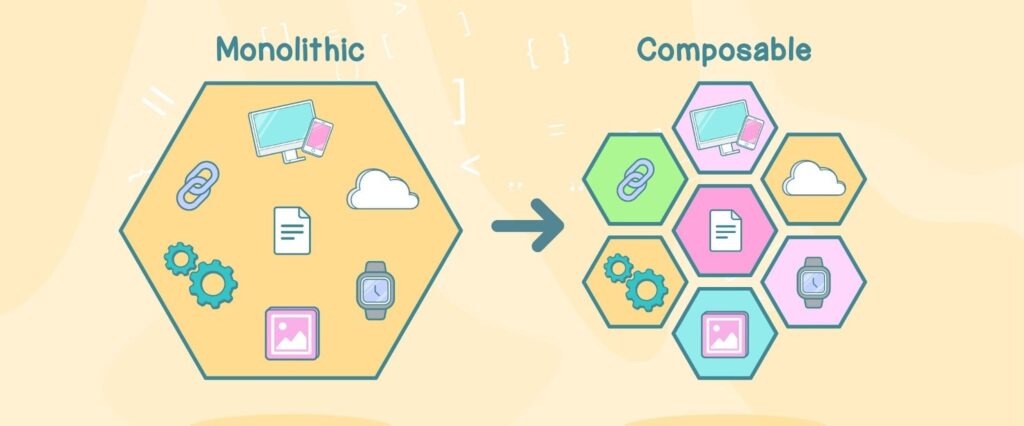
Traditional CRM implementations often face these challenges:
Zoho MCP solves this by introducing decoupled architecture, where each business function operates as an independent yet connected module.
Faster Innovation: Deploy changes rapidly across specific components
Zoho MCP leverages a microservices-like approach using Zoho apps such as:
Each app acts as an independent service layer.
Zoho MCP heavily relies on APIs and middleware tools like:
This enables:
MCP ensures that data is:
This eliminates duplication while maintaining data integrity.
Instead of linear workflows, MCP uses event-based triggers, such as:
This creates a reactive and intelligent system.
Step-by-step MCP flow:
Each system operates independently but communicates seamlessly.
| Aspect | Traditional Setup | Zoho MCP |
| Architecture | Monolithic | Modular / Composable |
| Integration | Limited / Manual | API-first / Automated |
| Scalability | Restricted | Highly scalable |
| Flexibility | Low | High |
| Maintenance | Complex | Simplified |
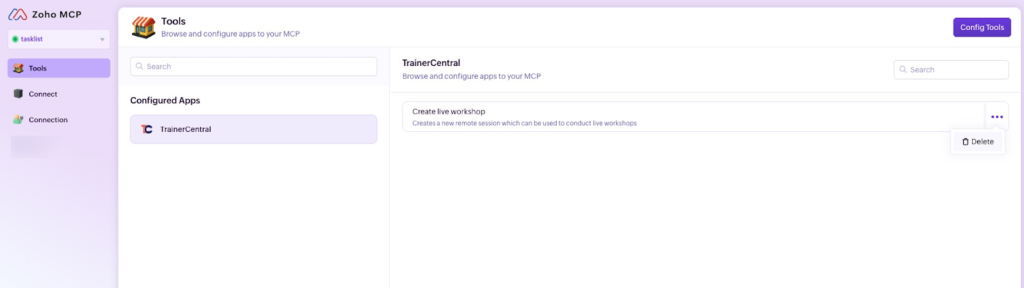
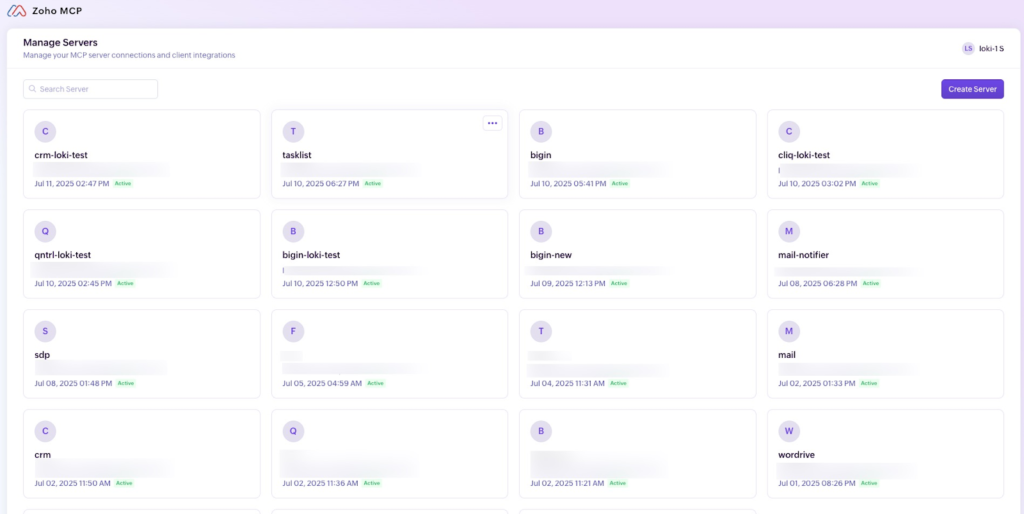
Avoid tightly linking modules. Use APIs and events instead of direct dependencies.
Leverage Zoho Deluge for:
Use Zoho Flow as the orchestration engine instead of embedding logic everywhere.
Ensure consistent data formats across systems to avoid sync issues.
Use analytics tools like Zoho Analytics to track performance across components.
While MCP is powerful, it requires:
Without these, systems can become fragmented instead of flexible.
Zoho MCP aligns with global trends like:
As businesses move toward hyper-automation, MCP positions Zoho not just as a CRM provider—but as a full-fledged enterprise platform.
Zoho MCP is not just a feature, it’s a paradigm shift.
For agencies like yours, this opens up opportunities to:
If leveraged correctly, Zoho MCP can transform how businesses operate making them faster, smarter, and infinitely scalable.